
Unveiling the Hidden Effects of Sleep Deprivation on Your Skin
As we go about our fast-paced lives, many of us underestimate the importance of a good night's sleep on our skin's health. The connection between sleep and skin health is deeper than the immediate effects we see in the mirror after a late night; it's a complex interplay that can have lasting implications. With our busy schedules often dictating late nights and early mornings, the battle for quality rest can seem overwhelming. However, understanding the potent effects of sleep deprivation on our skin is crucial for anyone committed to a holistic approach to wellness.
What Happens When We Don’t Sleep?
During sleep, our skin performs essential repairs. Dr. Kelsey Miller, a dermatologist, highlights that various skin functions, such as cell renewal, hydration maintenance, and the regulation of oil production, are tied directly to our circadian rhythms. When we skimp on sleep, these systems are thrown out of balance. For instance, a recent study published in Sleep Research indicates that even one night of poor sleep can disrupt hydration levels, leading to drier skin and increased oiliness. This duality results in a complexion that looks both dull and greasy, which can be frustrating for anyone seeking vibrant skin.
Insights from Recent Research
The findings from the 2026 research study conducted on women aged 21 to 49 provide compelling data on this issue. After just one night of sleep deprivation, researchers observed remarkable changes in facial skin:
Hydration Levels: Skin moisture levels dropped significantly, contributing to a less supple appearance.
Increased Oil Production: Surprisingly, the participants produced about 61% more oil, which could lead to clogged pores and an imbalanced skin tone.
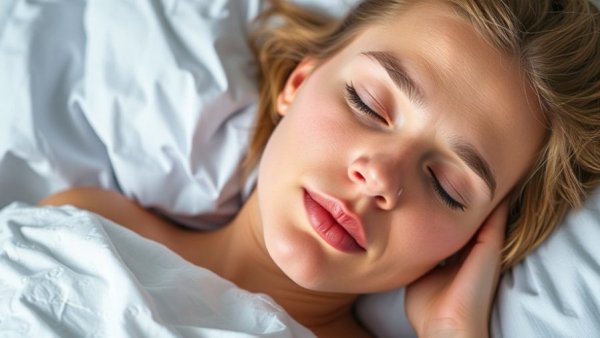
Visible Fatigue: Dark circles under the eyes and fine lines became more pronounced, showcasing the fatigue that sleep deprivation can inflict on our appearance.
Interestingly, while some aspects like skin hydration returned to normal in roughly two weeks, others, such as roughness and transparency, lingered, emphasizing that the repercussions of sleep deprivation can extend far beyond the immediate aftermath.
Practical Tips to Combat Sleep Deprivation's Effects on Skin
Given these findings, you may be wondering how to mitigate the impact of lack of sleep on your skin. Here are some actionable insights that can enhance skin recovery and maintain its vibrancy:
Prioritize Sleep: Regularly aim for 7-8 hours of quality sleep to allow your skin ample time to recover.
Hydrate: Increase your water intake, especially in the hours leading up to bedtime, to support skin hydration from the inside.
Use the Right Products: Incorporate quality skincare products with hydrating ingredients like hyaluronic acid and antioxidants. For instance, CV Skinlabs’ Calming Moisture is designed to assist in restoring your skin's moisture balance while you sleep.
Conclusion: Investing in Your Sleep for Glowing Skin
Understanding the profound consequences of sleep on our skin can motivate individuals to take charge of their sleep routines and skincare practices. The journey to healthy skin is undoubtedly intertwined with the quality of our sleep. Therefore, embracing practices that prioritize both can pave the way for achieving that healthy glow we all desire. If you're ready to deepen your commitment to skin health, consider implementing these tips and nourishing your skin while you sleep. Invest in your beauty rest today for a radiant tomorrow!





Write A Comment