


Why Every Aspiring Fighter Needs to Master the Upper Cut
Step into any boxing gym or martial arts dojo, and you’ll notice that a single punch can change the outcome of a bout—a punch often celebrated for its power and precision: the upper cut. Sports science confirms that mastering the correct form of this punch can instantly elevate a fighter’s arsenal, making the difference between a blocked shot and a knockout blow. Yet, perfecting the upper cut is about more than brute strength; it combines timing, technique, and self-awareness, testing the mettle and discipline of anyone who aspires to stand out in the ring.
The upper cut isn’t just a punch; it’s a challenge to conventional fighting wisdom. Many beginners believe sheer force alone is enough, but without the right guidance, an ill-timed upper cut can leave a competitor vulnerable or, worse, ineffective against skilled opponents. The real value in learning the upper cut lies in its technical complexity—a blend of science and art. Understanding how and when to deploy this move can mean the difference between missing an opportunity and seizing a perfectly timed victory. For anyone intent on excelling in combat sports, exploring the intricacies of the upper cut is not just beneficial—it’s essential.

Unlocking the Science and Art: What Sets the Upper Cut Apart
The upper cut is one of boxing's most iconic and misunderstood maneuvers. Unlike straight punches or hooks, the upper cut is thrown from a low angle, traveling up between an opponent’s guard to target the chin or torso. It combines rotational force, explosive speed, and body mechanics, resulting in a strike that is difficult to block and devastating when landed correctly. This level of complexity means that even experienced fighters can struggle with consistency, failing to unlock the upper cut’s full potential due to subtle flaws in form or timing.
Neglecting the upper cut or using improper technique can lead not only to missed opportunities but also increased risk of counter-attacks. Fighters who can’t execute an effective upper cut may find themselves outmaneuvered or stuck relying on predictable patterns—limiting their growth and overall power in the ring. But for those who invest in mastering both the science (body alignment, hip rotation, speed) and the art (timing, feints, fight IQ) of the upper cut, the rewards are profound: sudden, fight-ending force and the respect of any worthy opponent.
Why the Upper Cut Delivers Real Power and Confidence for Fighters
With years of experience perfecting their craft and attention to detail in every aspect of their trade, expert trainers underscore that the upper cut unlocks unique advantages for fighters of all levels. Its upward trajectory targets unguarded areas, making it nearly impossible to defend when timed well. The ability to blend the upper cut with other punches—like the classic “hook-upper cut” combo—can break even the toughest defenses and keep opponents guessing, leading to higher fight IQ and adaptability in the ring.
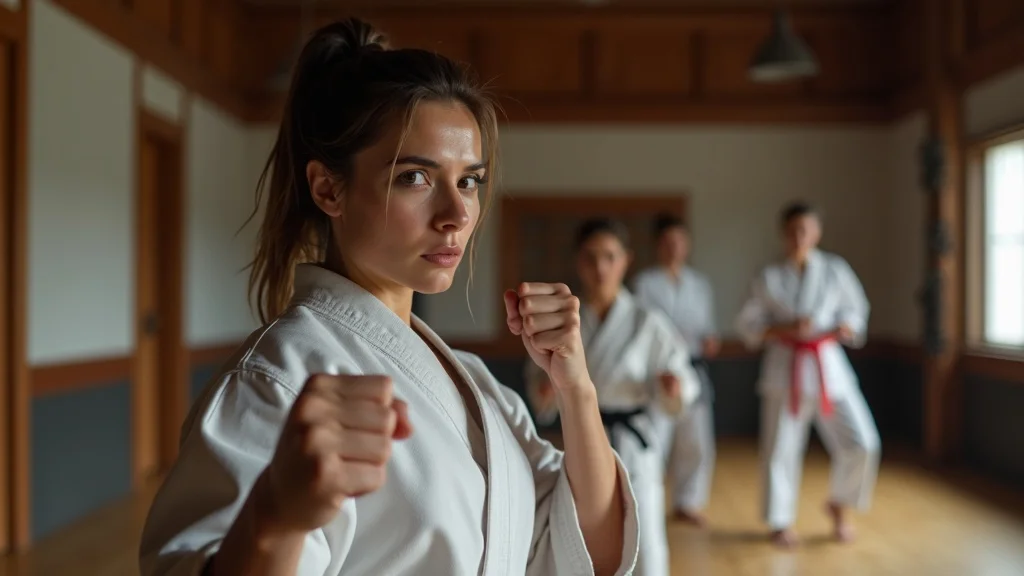
Real-world training environments emphasize that understanding the upper cut isn't merely about power; it’s about achieving fluidity and control during intense exchanges. For those who take the time to learn, the upper cut becomes a symbol of readiness and tactical intelligence. This technique shines not only in boxing competitions, but also in self-defense scenarios, where quick, effective strikes can make the crucial difference. The psychological boost of knowing you have such a weapon in your arsenal can transform anxiety into confidence, turning what was once a weakness into a signature strength.
From Origins to Modern Mastery: The Evolution of the Upper Cut
The upper cut has a storied history, originating in classic bare-knuckle boxing before becoming a staple in contemporary combat sports. Early pugilists relied on it as a sneaky shot in close quarters, but over decades, it’s been refined and elevated through relentless practice and innovation. Today’s fight schools and gyms emphasize biomechanics, using slow-motion video analysis and coordinated drilling to expose and correct weaknesses in the movement.
Fighters now benefit from a blend of tradition and technology, where legendary upper cuts—like those delivered by icons such as Mike Tyson—set the bar for what’s possible. But the core lesson remains unchanged: mastery comes from focused repetition, expert instruction, and a willingness to refine even the smallest elements of technique. For athletes, understanding where the upper cut came from—and how it’s evolved—cements its reputation as a timeless asset in any fighter’s repertoire.

Common Mistakes and How to Fix Them: Maximizing Effectiveness and Safety
Despite its potential, the upper cut is often misused or neglected by those who underestimate its complexity. The most common errors include dropping the guard excessively, overcommitting the body, and telegraphing the punch with unnecessary arm movement. Trainers and experienced practitioners emphasize that safety and effectiveness are heightened through disciplined form: keeping the non-punching hand up, rotating through the hips and shoulders, and aiming with intention, not brute force.
Additionally, understanding how to integrate footwork and head movement allows fighters to throw the upper cut without losing balance or exposing themselves to counters. Proper drilling under supervision, gradual pacing, and constructive feedback are critical for fighters of all levels. By focusing on these fundamentals, anyone can minimize risk and maximize the explosive benefits the upper cut brings to combat sports and personal defense.
Peak Performance Tips: Getting the Most Out of Every Upper Cut
To truly maximize the impact of each upper cut, fighters are encouraged to break down the punch into key components during training. Focusing on wrist and fist alignment minimizes injury while ensuring energy transfer from the legs upward. Experts recommend shadowboxing and bag work for muscle memory, combined with live partner drills to simulate timing and range adjustments under pressure.

Incorporating the upper cut into combinations, rather than using it as a standalone punch, enhances unpredictability and opens up creative tactical options in sparring and real matches. Recording sessions and reviewing footage can help fighters identify inefficiencies and track improvement, leading to measurable gains in both confidence and results over time.
Precision and Care: The Philosophy of Excellence in the Art of the Upper Cut
The discipline and craft involved in mastering the upper cut echoes the high standards set by seasoned professionals in personal grooming and style. Much like the dedication of a master barber to detail, fighters who prioritize precision and continuous improvement set themselves apart. This mindset—blending technical education with individualized feedback—fosters an environment of mutual respect and relentless growth among trainers and students alike.
At its core, the mission is to empower individuals to leave not only a lasting impression in the ring but also to carry that same level of self-respect and confidence out into the world. Just as meticulous technique transforms a haircut from ordinary to exceptional, attention to fundamentals transforms a basic upper cut into a powerful, memorable tool. This commitment to excellence, care, and education is the foundation of both personal success and the broader legacy of the fighting arts.
The Mark of True Expertise: A Fighter's Story
Sometimes the validation of a sound technique comes not from statistics or coaches, but from the words of those who have experienced the transformation firsthand. In the case of learning the upper cut, feedback from those who have taken the step toward mastering it speaks volumes about the benefits of investing in expert guidance and attention to detail.
Max is hands-down the best barber I’ve ever had. From the moment you sit in his chair, you can tell he takes pride in his craft—he listens to exactly what you want, pays attention to the smallest details, and makes sure you leave looking sharp. The fade was flawless, the lineup was crisp, and he even gave me tips on keeping my style fresh between cuts. On top of that, he’s friendly, professional, and creates a relaxed atmosphere that makes the whole experience enjoyable. If you’re looking for a barber who truly knows his stuff, Max is the guy. Highly recommend!
The level of trust and satisfaction described above reflects what anyone can expect when seeking mastery—whether through learning a punch or refining a personal style. Taking the next step, armed with accurate knowledge and expert support, brings not only technical improvement but also renewed self-confidence and achievement.
Upper Cuts: The Edge Every Modern Fighter Needs to Succeed
The upper cut has moved from secret weapon to standard practice for those determined to elevate their fighting skillset. Its value lies in a unique blend of historical depth, technical demand, and tactical flexibility. The cumulative benefit—enhanced power, confidence, and strategic advantage—draws from a tradition of expert guidance, meticulous attention to detail, and a philosophy rooted in lifelong learning. For anyone seeking to stand out in boxing, mixed martial arts, or self-defense, mastering the upper cut isn’t just an option—it’s the edge that separates the ordinary from the exceptional.
In a world filled with shortcuts and quick fixes, the real difference is made through dedicated education and passion. Achieving mastery of the upper cut can redefine a fighter's trajectory, with experienced professionals continuing to shape the art form through discipline, integrity, and high standards.
Contact the Experts at The Gentlemen's Barber Shop
If you’d like to learn more about how mastering the upper cut could benefit your training and confidence, contact the team at The Gentlemen's Barber Shop.
📍 Address: 320 Main St, Huntington, NY 11743
📞 Phone: +1 631-549-1100
🌐 Website: Not Provided
The Gentlemen's Barber Shop Location and Hours
🕒 Hours of Operation:
📅 Monday: 8:30 AM – 6:30 PM
📅 Tuesday: 8:30 AM – 6:30 PM
📅 Wednesday: 8:30 AM – 6:30 PM
📅 Thursday: 8:30 AM – 6:30 PM
📅 Friday: 8:30 AM – 6:30 PM
📅 Saturday: 8:30 AM – 6:30 PM
📅 Sunday: 9:00 AM – 4:00 PM




Write A Comment