

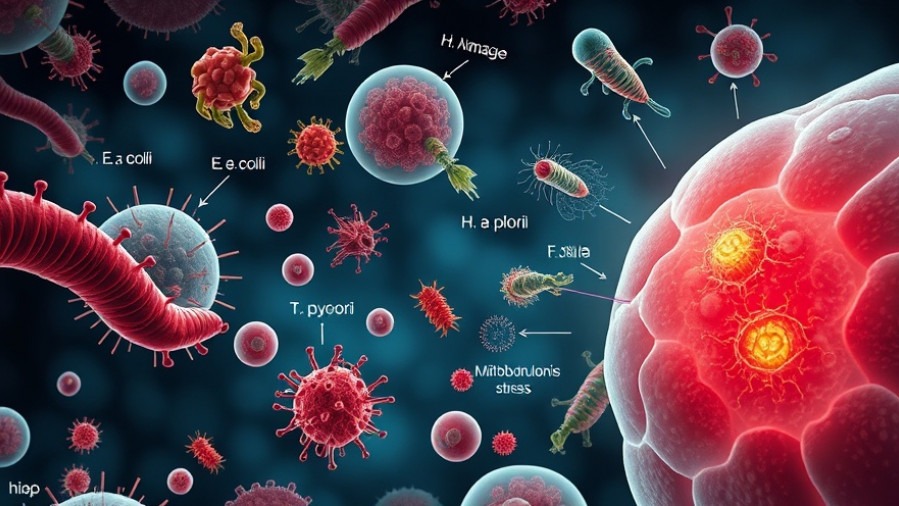
Chronic Infections: The Hidden Contributors to Aging
In recent years, much focus has been placed on acute infections, but chronic infections present a different, perplexing puzzle. Individuals are often surprised to learn how many pathogens are essentially lifelong companions, with one in two adults hosting Helicobacter pylori, 80% carrying cytomegalovirus (CMV), and a staggering 90-95% having interacted with the Epstein-Barr virus (EBV).
Unlike the acute symptoms of conditions like the flu or COVID-19, chronic infections linger silently, often untreated and undetected. This presents a unique problem: just because a virus or bacterium doesn't cause immediate harm doesn't mean it's benign. Emerging research underscores how these chronic infections might drive cellular senescence—the process by which cells enter a state of permanent growth arrest, contributing to the aging process and numerous age-related diseases.
Understanding Cellular Senescence
Cellular senescence is a double-edged sword in human biology. One can view it as a physiological explanation behind the aging process. But it isn't just an inevitable decline; it emerges from multiple pathways influenced by long-term infections. Chronic infections can trigger inflammatory responses, leading to cellular stress, DNA damage, and eventually the accumulation of senescent cells. Not only do these cells fail to divide, but they also can secrete factors that provoke a chronic inflammatory environment, further driving the deterioration of surrounding tissues.
The Intricate Interplay Between Pathogens and Senescence
Several pathogens prompt the body to enter a state of senescence. For instance, HIV induces cellular aging through heightened inflammation, while HCV causes notable increases in senescence markers, which are linked to chronic liver disease and increased fibrosis risk. Furthermore, Helicobacter pylori, a bacterium associated with gastrointestinal issues, can damage DNA and trigger both cellular and tissue senescence.
Moreover, notable evidence indicates that persistent infections can amplify the phenotype known as "inflammaging," a condition characterized by elevated inflammatory markers often seen in the elderly—linking poor health outcomes directly to these longstanding infections.
Countering Chronic Infections for Health Longevity
As we explore interventions, attention must be paid to such lingering infections as targets. Understanding the extent of their contribution to cellular senescence opens up potential avenues for treatment. Antibiotics and other therapeutic methods could serve not merely to alleviate immediate symptoms but also to counteract long-term damage that aids in the aging process.
What This Means for Your Health
Given the prevalence of chronic infections, awareness and understanding are paramount. Recognizing the importance of detecting and treating chronic infections can be seen as an essential step in not only maintaining health but also potentially extending lifespan. Consequently, as more studies emerge, the relationship between chronic infections and cellular aging will continue to illuminate the unseen barriers to health, guiding proactive health measures in individuals seeking enhanced well-being.
Take Action: Empower Your Health Knowledge Today
Knowledge is power, and the more you understand about chronic infections and their impact on aging, the better equipped you'll be to take control of your health. Advocate for regular assessments, maintain a healthy lifestyle, and engage with healthcare professionals who consider all aspects of your health.


Write A Comment